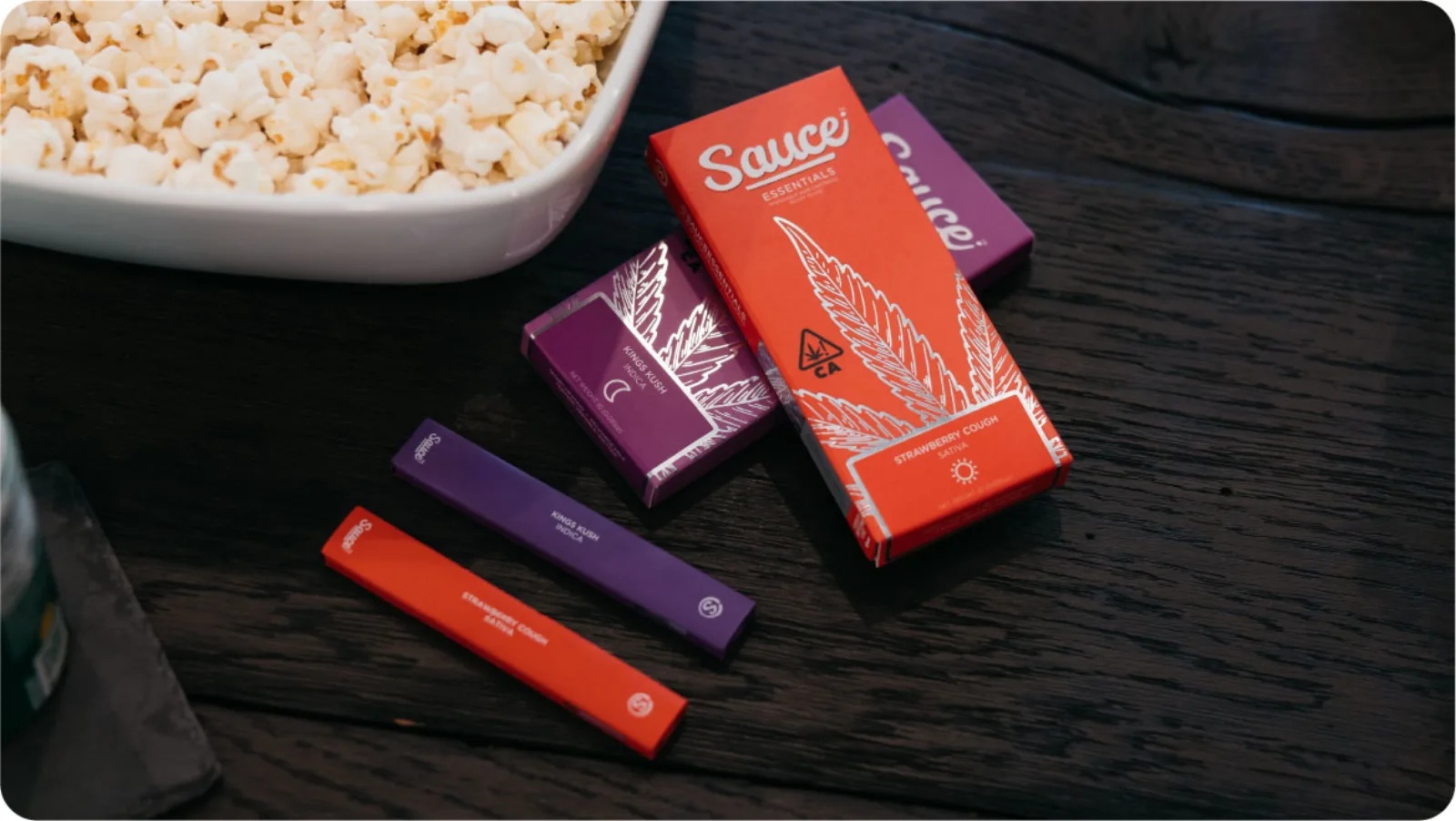

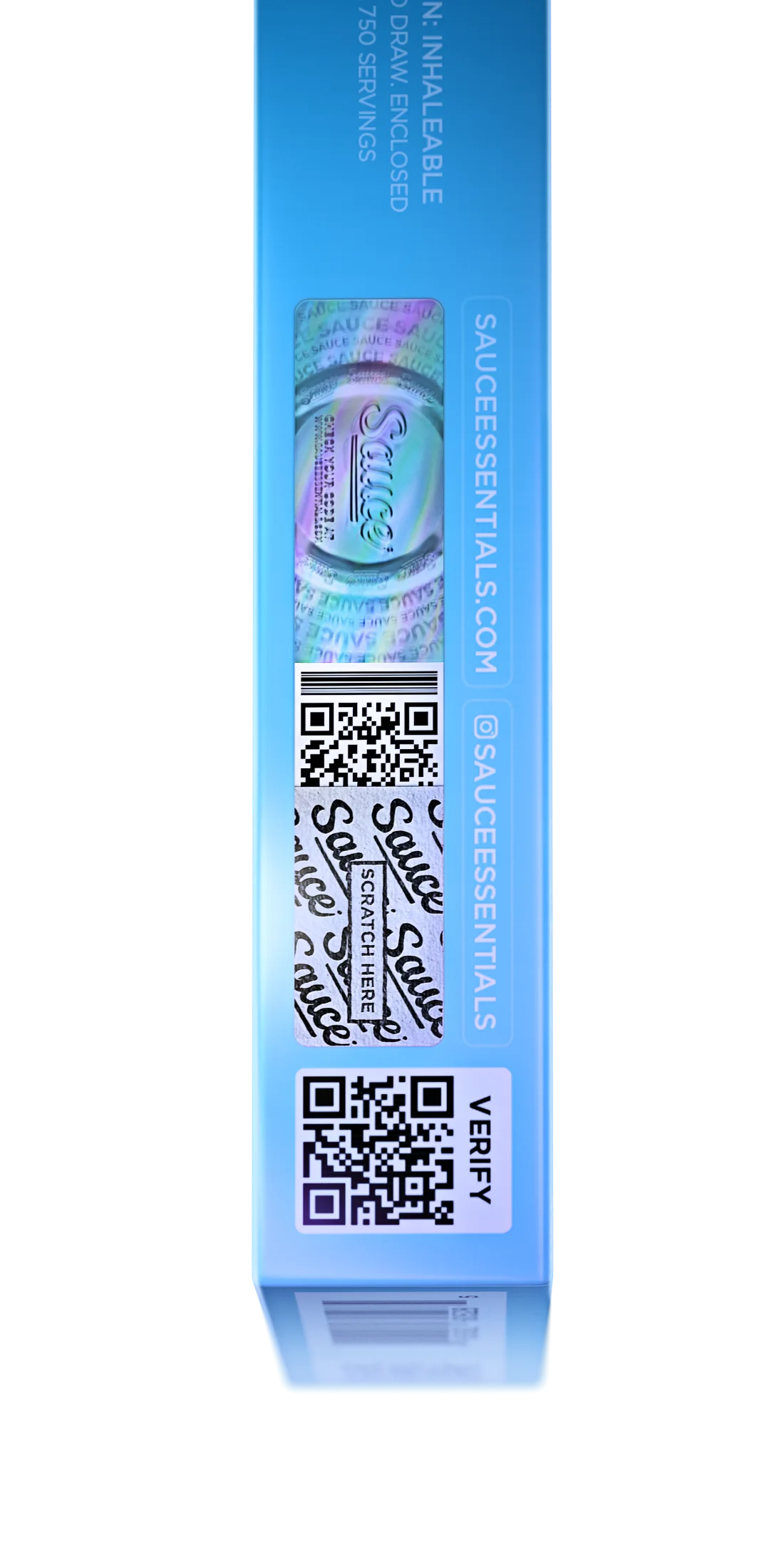
Every Sauce package ships with a small silver scratch panel. Under it is a one-time code. Scratch it, enter it on our site, and in about five seconds you learn two things most cannabis brands can't tell you: whether your product is authentic, and whether anyone has ever checked that exact code before.
Why a code at all?
Counterfeiters have gotten good. They clone packaging, mimic logos, and even spin up authentic-looking websites. The one thing they can't fake is a code that only our system issued and that only works once. A logo can be copied. A cryptographically unique, server-tracked code can't.
What happens in those five seconds
When you enter a code, our system checks it against the batch it was issued with and the record of every previous lookup. One of a few things comes back:
- Authentic, first scan. The code matches a real batch and has never been checked. This is the result you want — you're almost certainly the first person to verify this unit.
- Authentic, but already verified. The code is real, but it's been checked before. On a sealed product you just opened, that's worth a second look — it can mean a re-used or re-filled package.
- Not in our system. The code doesn't match anything we ever issued. That's the signature of a counterfeit, and we want to know about it.
The code is a receipt the grey market can't print
Think of each verifier code as a receipt that proves a product traveled the licensed chain — from a state-licensed cultivator, through an independent lab, into tamper-evident packaging, and onto a licensed dispensary's shelf. An unlicensed seller can copy the look of all of that. They can't generate a code our server will recognize. That gap is the entire defense.
What we do with a counterfeit report
When a code comes back as fake — or a sealed product shows as already-verified — that signal goes to our compliance team. We log where it surfaced, look for patterns, and share what we find with state regulators where appropriate. Every report makes the next fake easier to catch. You're not just protecting yourself; you're helping us map where counterfeits are moving.
Privacy, briefly
You don't need an account to verify. You don't have to hand over personal information to check a code. The lookup is about the product, not about you.